

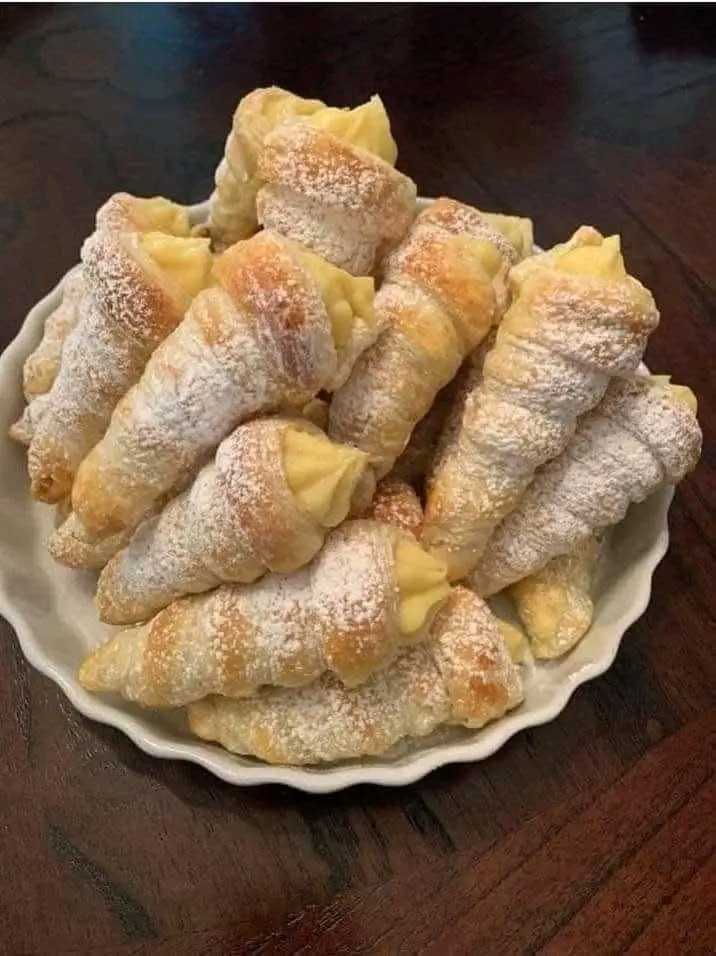
Italian Cream Stuffed Cannoncini are elegant, delicate, and simply delightful. These pastry horns—known in Italy as “cannoncini”—feature crisp, flaky puff pastry shells filled with a rich, silky Italian cream (or custard/mascarpone cream). The contrast of textures and flavors makes them a favorite in Italian pastry shops and home kitchens alike. In this article, you will find a detailed, step‑by‑step guide to making these beauties, along with variations, troubleshooting tips, serving ideas, and answers to frequently asked questions.
What Are Cannoncini
A “cream horn” is a classic European pastry made by wrapping flaky or puff pastry strips around conical molds, baking them until golden and crisp, and filling them with sweet cream or custard. In Italy these are called cannoncini (singular: cannoncino), and while many bakeries fill them with whipped cream or custard, the “Italian cream stuffed” version often uses a richer custard, sometimes folded with whipped cream or mascarpone for extra silkiness.
The version presented here is a hybrid: a pastry cream (crema pasticcera) base for structure, enriched with mascarpone or whipped cream to make it smoother and lighter.
Because of their delicate nature (crispy shell + creamy filling), cannoncini are often best eaten on the same day, though you can prepare parts ahead in many cases.
Ingredients
Here is a reliable ingredient list that yields about 12 cannoncini (servings vary depending on size).
For the pastry shells (cannoncini)
- 1 sheet of puff pastry (approximately 8 oz / 225 g), thawed if frozen
- ¼ cup (50 g) granulated sugar (for sprinkling / coating)
- 1 egg (for egg wash)
- Powdered sugar for dusting after filling
For the Italian cream filling (custard base)
- 3 large egg yolks
- 3 tablespoons (≈ 30 g) all‑purpose flour
- ½ cup (100 g) granulated sugar
- 8 oz (235 ml) whole milk
- 1 teaspoon vanilla extract
Optional enrichment / variations
- ½ cup mascarpone cheese (to fold into cooled custard for a richer texture)
- ½ cup heavy whipping cream, chilled, whipped (for folding into custard to lighten)
- Lemon zest or orange zest (a teaspoon) for brightness (optional)
- Chopped nuts (e.g. pistachios, almonds) or chopped chocolate to dip or coat the open ends after filling
Equipment & Tools
- Conical horn molds (metal or silicone) for shaping the pastry
- Baking sheet(s) lined with parchment paper
- Pastry brush (for egg wash)
- Rolling pin (if your pastry needs a little rolling)
- Sharp knife or pizza cutter (to cut pastry strips)
- Medium saucepan
- Whisk
- Mixing bowl or heatproof bowl
- Plastic wrap
- Piping bag with a suitable tip (star or round)
If you don’t have commercial cone molds, you can fashion cones from aluminum foil or heavy-duty parchment, but metal molds yield best shape and crispness.
Step‑by‑Step Instructions
Below is a full walkthrough to prepare the shells, make the cream, assemble the cannoncini, and final touches.
1. Make the custard (crema pasticcera)
- In a medium saucepan (off the heat), whisk together the egg yolks, sugar, and flour until smooth and pale.
- Warm the milk gently until it’s hot but not boiling (you should see steam, but don’t let it scorch).
- While whisking constantly, gradually pour a bit of the warm milk into the yolk/sugar/flour mixture to temper it (this prevents curdling). Then continue to add the rest, whisking continuously to combine into a smooth mixture.
- Return the mixture to medium heat and cook, stirring constantly, until it thickens to a pudding‑like consistency. Be careful not to let it burn on the bottom. Reduce heat and let it cook a minute or two more until fully thickened.
- Remove from heat, stir in vanilla extract (and zest if using).
- Pour the custard into a bowl, and immediately press plastic wrap directly onto its surface (to prevent a skin forming). Let it cool to room temperature, then chill in the refrigerator for at least 1 hour (or until fully cold).
At this point, your basic custard is ready. If you plan to enrich:
- If using mascarpone, fold it into the cooled custard until smooth.
- If folding whipped cream, whip the chilled cream to soft peaks, then gently fold into custard, preserving volume.
2. Prepare the pastry shells
- Preheat your oven to 400 °F (≈ 200 °C).
- Sprinkle a bit of sugar on your work surface. Place the puff pastry sheet on it and, if needed, roll slightly to a rectangle (for example ~9 × 12 inches)
- Cut the pastry into strips about 1 inch (2.5 cm) wide. You can cut the sheet into three strips lengthwise, then subdivide each.
- Optionally sprinkle a light dusting of sugar on top of the strips for extra caramelization.
- Take each strip and wrap it spirally around a cone mold, overlapping about half of the width of the strip as you wrap from tip to base. Place seam side down on parchment‑lined baking sheet(s).
- Beat the egg (or egg + splash of water) to make an egg wash, and brush the pastry cones lightly (avoid getting wash on the molds, which might glue them).
- Bake in preheated oven for 15–20 minutes (or until golden) depending on your oven and size of cones. Keep an eye to ensure even browning.
- After baking, let the cones cool slightly on the pan or a rack, then carefully remove them from molds. If a cone sticks, you can gently squeeze in the mold or twist slightly inward to release the pastry.
- Allow the shells to cool completely before filling (else warm pastry + cold cream may steam or soften).
3. Fill the cannoncini
- Transfer your chilled cream into a piping bag fitted with a tip (star or round).
- Insert the tip gently into the open end of each shell and pipe the cream, filling from tip to base. Try to fill fully without bursting the pastry.
- Once filled, dust the cannoncini with powdered sugar. Optionally, you can dip the ends in melted chocolate or chopped nuts for extra flair.
4. Serving & Storage
- For best texture, serve cannoncini within a few hours after filling, while the shell remains crisp.
- Filled cannoncini can be stored in an airtight container in the refrigerator for up to 1–2 days, but the shell may lose crispness with time.
- Unfilled shells can be made ahead and stored in a cool, dry place (in an airtight container) for 1–2 days. Then fill just before serving.
- The custard (or cream filling) can be stored covered in the refrigerator for a few days.
Variations & Flavor Ideas
Here are many variations and creative twists you can apply to this base recipe:
Chocolate Cream Cannoncini
Add 1–2 tablespoons of cocoa powder to your custard base, or fold in melted chocolate once cooled. You might also dip the open ends in melted chocolate for a decadent finish.
Citrus‑Zest Version
Add lemon or orange zest (1 teaspoon) to the custard. You might also fold in a little citrus juice (careful with consistency) for brightness. Top with candied zest.
Nutty Variation
Fold finely ground or finely chopped nuts (hazelnuts, pistachios, almonds) into the cream or coat the ends of the pastry with nuts or crushed praline.
Fruit‑Infused
Swirl mashed berries or fruit purée into the cream after chilling (fold carefully), or top each filled horn with fresh berries. Be cautious not to overliquefy.
Limoncello or Liqueur Cream
Add a small amount (1–2 tablespoons) of limoncello, amaretto, or another liqueur to the custard or whipped cream fold. (Many recipes mention limoncello variations)
Ricotta / Mascarpone Blend
Some versions replace or partly replace custard with a blend of ricotta cheese and mascarpone (sweetened), creating a lighter, tangy filling.
Savory Variation
For an unconventional twist: omit sugar in the pastry and fill with ricotta, herbs, soft cheese, or savory mousse for an appetizer version. (Not typical, but creative.)
Tips & Troubleshooting
- Always chill the custard thoroughly before filling, so it holds its shape and doesn’t flow out.
- Avoid brushing egg wash onto the molds themselves; that can make the pastry stick.
- If a baked shell sticks to the mold, gently squeeze or twist inward as you remove.
- Don’t overbake the shells; they should be golden but not too dark, to avoid dryness.
- If your custard is lumpy, strain it before chilling to get a smooth texture.
- Use good-quality vanilla or fresh extract for optimal flavor.
- If storing filled cannoncini, arrange them so their open ends face upward to prevent leaking.
- For extra crispness, you can briefly reheat (very gently) the shells before filling (in a low oven) to dry them more, but avoid burning.
Nutritional Estimate
One filled cannoncino typically contains approximately 200–300 calories, depending on the size, amount of filling, and whether additional ingredients (mascarpone, chocolate, nuts) were used. They are indulgent treats, so portion control is wise.
Serving Suggestions
- Serve alongside espresso, cappuccino, tea, or dessert wine.
- On a dessert platter with fresh berries or seasonal fruit.
- Decorate with a small mint leaf or edible flower for elegance.
- Use them as the showpiece for a dessert buffet or party.
- Drizzle with chocolate or caramel sauce on the serving plate for flair.
Frequently Asked Questions
Can I freeze cannoncini?
It’s not recommended to freeze filled cannoncini—they tend to become soggy when thawed. You can freeze unfilled, baked shells (air-tight) and fill them fresh later.
Can I use store‑bought pastry cream or instant pudding?
You may, in a pinch, but the texture and flavor won’t match freshly cooked custard. If you do, enrich it with mascarpone or whipped cream to improve richness.
What can I do if my custard is too thin?
Return it to low heat, whisk constantly until it thickens more. If needed, dissolve a little extra flour or cornstarch in a bit of milk and whisk into it gradually. Strain before cooling.
Why does the custard sometimes get a skin or lumps?
A skin forms if the surface is exposed to air—always press plastic wrap onto the surface. Lumps form if the egg mixture isn’t tempered properly or if it’s heated too quickly.
Can I make mini cannoncini?
Yes, you can wrap narrower pastry strips around smaller molds for bite‑sized servings. Adjust baking time accordingly (slightly shorter).
Summary
Italian Cream Stuffed Cannoncini combine the best of European pastry traditions: crisp puff pastry horns filled with lush, rich custard cream. The technique involves two main steps—making the shell and making the cream—and then assembling them with care. With practice and some patience, anyone can produce stunning, bakery‑quality results at home.
Try incorporating one of the fun variations—chocolate, citrus, nuts, or liqueur—to put your personal spin on this classic. And be sure to serve them fresh and enjoy the beautiful balance of crisp and creamy in every bite.
If you’d like a printable recipe card or metric conversions (grams / ounces) or pictures for each step, I can provide that too!