

Introduction
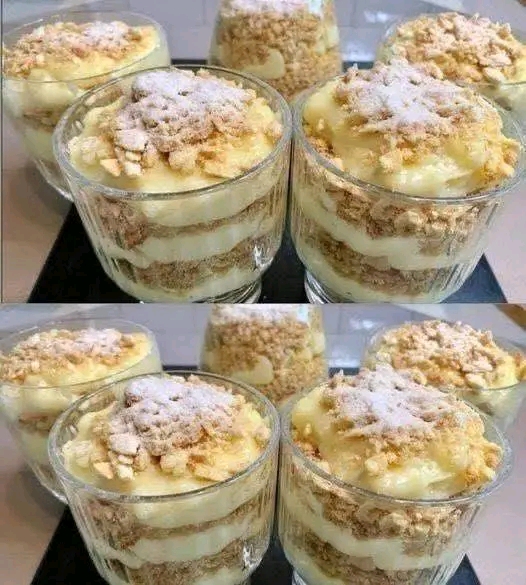
When I’m lazy but crave something decadent, I always turn to my favorite dessert: “Napoleon in a glass.” It’s creamy, layered, indulgent — and in just a couple of minutes (if you prepare ahead), you’ll find yourself licking your fingers. This dessert captures the spirit of a classic mille‑feuille (Napoleon) but simplified into serving glasses, no fuss with delicate pastry layers or elaborate baking. This version delivers rich flavors and creamy textures in an easy, speedy way.
What Is “Napoleon in a Glass”?
The traditional Napoleon (or mille‑feuille) is a French pastry made of alternating layers of puff pastry and pastry cream (and often glazed icing). But that version can be time‑consuming, delicate, and tricky. “Napoleon in a glass” reinterprets that layered dessert in a simplified, glass‑serving format so you still get the visual appeal and flavor contrasts — crisp, creamy, sweet — but with much less effort. Instead of physical pastry sheets, you simulate layers using elements like crumbled cookies, phyllo shards, or crisp pastry bits (store‑bought), combined with creamy custard, whipped cream, or mascarpone mixtures and fruit or flavor components. The result is like a parfait or trifle but with the character of a Napoleon.
Why I Love It
It’s fast. Once the components are ready, assembly takes only minutes.
It’s flexible. You can adapt fillings, flavors, layers, decorations.
It’s crowd‑pleasing. The layered look is elegant, and the taste is irresistible.
It’s forgiving. You can make parts ahead, adjust sweetness, or experiment.
In what follows, I’ll give you multiple ingredient and method options, step‑by‑step instructions, tips and variations, serving suggestions, storage notes, troubleshooting, and even a few flavor twist ideas — so you can make your own “Napoleon in a glass” anytime without stress.
Ingredients & Components
Below are the essential components you’ll need, plus optional variants. The idea is to build a few layers: a crunchy or crisp layer (or simulated pastry), a creamy filling layer, maybe a flavor or fruit layer, and topping/decoration.
Core Components
Crisp / Pastry Layer (or substitute)
• 6–8 sheets of puff pastry (store‑bought) OR store‑bought layers like phyllo, or cookies (e.g. graham crackers, ladyfingers, shortbread)
• Butter (if crisping phyllo)
• Optional: sugar or cinnamon sugar
Creamy / Custard / Mascarpone Layer
• 2 cups whole milk
• ¼ cup heavy cream
• ½ cup granulated sugar
• 3 large egg yolks
• 2 tablespoons all purpose flour or cornstarch
• 1 teaspoon vanilla extract
OR (alternate simpler)
• 1 cup mascarpone cheese
• 1 cup whipped cream (or heavy cream whipped with a bit of sugar)
• ¼ cup powdered sugar
• 1 teaspoon vanilla extract
Fruit / Flavor Layer (optional)
• Fresh berries (strawberries, raspberries, blueberries)
• Fruit compote or jam
• Citrus segments (e.g. orange, mandarin)
• Chocolate ganache drizzle
• Caramel sauce
• Nuts (chopped pistachios, almonds)
Topping / Decoration
• Whipped cream or chantilly
• Crumbled crisp bits or pastry shards
• Fresh fruit slices or berries
• Chocolate shavings
• Mint leaves
• Powdered sugar
Equipment & Tools
• Medium saucepan
• Mixing bowls
• Whisk
• Fine sieve / strainer
• Baking sheet and parchment (if preparing pastry)
• Sharp knife
• Pastry brush (if crisping phyllo)
• Piping bag (optional)
• Serving glasses (small tumblers, parfait glasses)
Yield / Serving Size
This recipe yields about 6 to 8 individual glasses (roughly 200–250 ml portions). You can scale up or down depending on how many people you want to serve.
Detailed Step‑by‑Step Instructions
Step 1: Prepare crisp / pastry layers
If using puff pastry or phyllo, preheat your oven to about 375 °F (190 °C).
If using puff pastry: roll out sheets a bit thinner, cut into shapes or strips, bake until golden and crisp (about 12–15 minutes) on parchment. Let cool completely, then break into shards.
If using phyllo: brush each sheet lightly with melted butter, stack a few sheets, bake until crisp, then break into pieces.
If using cookies / biscuits: no baking needed — just crush or break into pieces (coarse).
If you want a hint of sweetness, sprinkle sugar or cinnamon sugar over the pastry or cookies before baking/crisping.
Step 2: Make the custard / cream filling
Classic custard approach:
In a saucepan, combine milk + heavy cream and heat just until nearly boiling.
In a bowl, whisk egg yolks + sugar until pale, then whisk in flour (or cornstarch) until smooth.
Tempering: slowly pour about one third of the hot milk/cream into the yolk mixture while whisking constantly, then pour that back into the saucepan.
Return to medium heat and cook, whisking constantly, until the mixture thickens (coats the back of a spoon). Do not boil vigorously.
Remove from heat, stir in vanilla, then press through a sieve to remove lumps. Cover surface with plastic wrap to prevent skin forming. Chill until cold.
Mascarpone / whipped cream approach (lighter / faster):
In a bowl, combine mascarpone + powdered sugar + vanilla until smooth.
Whip heavy cream to soft peaks, then fold into the mascarpone mixture gently to form a light cream. Chill until needed.
Step 3: Optional fruit or flavor layer
If using fruit compote or jam, warm slightly to make it pourable.
If using fresh fruit, wash, slice or dice appropriately.
If using citrus segments, peel and remove membrane, chop or arrange nicely.
Step 4: Assemble the glasses
Take your serving glasses. Start with a base layer: pastry shards or cookie crumbs at bottom.
Then add a layer of custard or mascarpone cream (about ¼ to ⅓ of total).
Next, fruit or compote layer (or drizzle of sauce).
Then another layer of crisp bits.
Then another cream layer.
Repeat until the glass is filled, ending with a cream layer.
Top with whipped cream, fresh fruit, a shard of crisp pastry, chocolate shavings, or mint.
You can pipe the cream layers for a neat look, or spoon them simply.
Step 5: Chill & Serve
Chill the glasses in the refrigerator for at least an hour (or more) so flavors meld and texture firms.
Serve cold or slightly chilled.
Tips & Tricks for Best Results
Chill extensively
Make sure custard or cream is fully chilled before layering, so it holds shape and doesn’t mix with pastry shards.
Keep crisp separate until serving
If the pastry shards or cookies absorb moisture too early, they lose crunch. If possible, layer just before serving, or keep a small portion of crisp bits aside to sprinkle on top last moment.
Balance textures
Alternate thick and thin layers. If your fruit compote is very juicy, reduce liquid or cook it down so the layers don’t get soggy.
Use quality vanilla
Good vanilla extract or vanilla bean adds depth and sophistication.
Adjust sweetness
Taste your custard/cream before layering. If it’s too sweet or bland, you can tweak sugar or vanilla.
Use a fine sieve
Straining your custard ensures it’s smooth and free of lumps.
Layer contrast
Vary the layer thicknesses for visual interest: e.g., thin crisp, thick cream, thin fruit, thick cream.
Play with colors
Use berries, citrus, or bright sauces to give pops of color between creamy pale layers.
Portion control
Don’t overfill the glasses; leave some headspace for a decorative top layer.
Let it rest
Even though it seems ready, letting it chill for sufficient time helps flavors mellow and layers set.
Variations & Flavor Twists
Chocolate Napoleon in a Glass
Mix cocoa powder or melted chocolate into part of the custard or cream layer. Alternate plain and chocolate cream layers. Top with chocolate shavings or curls.
Tropical Version
Use mango or passion fruit compote, slices of pineapple or banana, and layer with a light cream flavored with coconut or lime zest.
Berry & Mascarpone
Use mixed berry compote or whole berries. Use mascarpone/cream approach. Top with fresh berries and a sprig of mint.
Caramel & Pecan
Layer a thin salted caramel sauce or praline sauce. Add chopped toasted pecans between layers for crunch.
Coffee & Hazelnut
Add coffee or espresso flavor to the custard layer. Use crushed nut biscuits (e.g. hazelnut cookies). Top with cocoa powder or nut dust.
Chocolate Banana Split
Alternate banana slices, chocolate custard, strawberry compote layers, and top with whipped cream and a cherry.
Nutella & Berries
Spread very thin Nutella in some layers, combine with cream and berries. This gives a decadent chocolate‑hazelnut twist.
Lemon Cream Napoleons
Make a lemon pastry cream (with lemon zest, juice) and layer with vanilla cream. Use crisp pastry or even meringue shards for crunch.
Presentation & Garnish Ideas
Use tall, clear glasses to showcase the layers
Pipe whipped cream with a star nozzle
Top with a whole crisp pastry shard angled
Dust with powdered sugar or cocoa lightly
Garnish with fruit slices, mint, edible flowers
Serve with small spoons so diners can reach bottom layers
Serving Occasions
This dessert is versatile enough for dinner parties, family meals, casual treats, brunch, or romantic dinners. Because it’s served in individual glasses, it feels elegant yet approachable. You can preassemble most of it (except crisp bits) and combine just before guests arrive.
Make‑Ahead & Storage
Make‑Ahead Tips
You can prepare the custard/cream layer a day ahead and keep it chilled in an airtight container. You can also pre‑crisp the pastry or cookies and store them in airtight containers. Then assemble the glasses a few hours before serving (or even right before).
Storage after Assembly
Once assembled, store in refrigerator, covered. Try to consume within 1–2 days for best texture (crisp bits may soften over time).
Freezing
Freezing is not ideal, as the cream may separate, and crisp layers will become soggy or lose texture. Best eaten fresh or within a short refrigerated period.
Troubleshooting Common Issues
Custard too thin or runny
You may not have cooked it long enough or didn’t use enough thickener. Return gently to low heat to thicken, whisking constantly until coats a spoon. Or fold in whipped cream to stabilize.
Lumps in custard
Always whisk while tempering, and strain through a fine sieve.
Crispy layers not crisp
They may have absorbed moisture. Bake crispier or thinner, store airtight, and add closer to serving time.
Layers bleeding or mixing
Your components may have been too warm. Always chill components thoroughly and handle gently.
Too sweet or bland
Taste and adjust sugar/vanilla before layering. Consider complementary tart fruit layers to counterbalance.
Glassy appearance or splitting in layers
If cream is too cold or stiff, it may separate. Let it approach proper chilling (not rock‑hard) and fold carefully.
Overfilled glasses
If layers overflow or mixing occurs, reduce volume per layer or use larger glasses.
Flavors too flat
Add zest, extract, or a hint of liqueur (e.g. Grand Marnier, rum, coffee liqueur) to enhance depth.
Flavor & Serving Notes
The success of “Napoleon in a glass” lies in balancing richness, sweetness, texture, and contrast. Crisp shards give bite, creamy layers give richness, fruit or compote brings acidity or brightness, and toppings add a finishing flourish. Because this dessert is flexible, you can tailor it to your taste, the season, or the occasion.
A few serving suggestions:
Serve with a fresh herbal tea, espresso, or dessert wine
Accompany with a small cookie or biscotti for extra texture
Provide spoons long enough to dig to the bottom
Arrange assorted toppings so guests can customize (extra crisp bits, fruit, chocolate)
Plate glasses on small saucers with a dusting of cocoa or powdered sugar
Why It Works: Texture, Contrast, Simplicity
This dessert works because it recreates the sensory experience of a pastry (crisp + creamy + flavor bursts) in a simplified way. It bypasses the skill and fragility of making puff pastry layers, yet retains elegance. Served in glasses, it looks boutique and appealing. And because the effort is modular (make custard, crisp bits, fruit, assemble), it fits even when you don’t feel like full baking or fuss.
Word Count & Wrap‑Up
This article has covered the concept, ingredients, methods, tips, variations, troubleshooting, presentation, make‑ahead and storage, and flavor ideas for making your lazy day treat: Napoleon in a glass. You now have a blueprint to adapt to your mood, ingredients, or occasion, yet still end up with something delicious, indulgent, and impressive — and yes, finger‑licking good.
If you like, I can format a printable version, or provide metric conversions, or even a video tutorial link. Do you want me to put all that together for you?